

The best parental control apps of 2026 have evolved far beyond simple website blockers. Today’s tools use AI to understand context, monitor emotional wellbeing, and give parents nuanced dashboards — not just blunt on/off switches. Here is what is new and what is worth your attention.
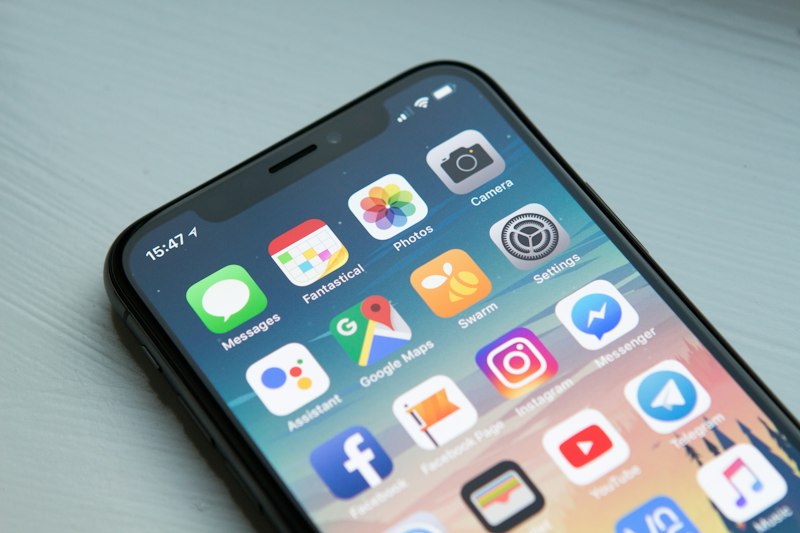
Top Parental Control Apps in 2026: Updated Reviews
1. Bark — Best for Emotional Safety Monitoring
Bark has significantly deepened its mental wellbeing features in 2026. Rather than just blocking content, it analyzes language patterns across texts, emails, and social media to detect signs of bullying, depression, anxiety, or potential self-harm — and alerts parents without showing every message. It is the “trust but verify” approach. Pricing starts at $14/month.
Best for: Tweens and teens (10+) whose parents want safety without total surveillance.
2. Qustodio — Best for Granular Screen Time Control
Qustodio earns its reputation as the “set it and forget it” choice. Its clean dashboard breaks down screen time by app category, lets you schedule downtime, and generates weekly reports. The 2026 update added homework mode — which allows only educational apps during set hours. Starting at $54.95/year for 5 devices.
Best for: Elementary-age children (6–12) where structured limits matter most.
3. Canopy — Best AI Content Filtering
Canopy uses AI to evaluate content in real time rather than relying on blocklists — which means it catches things traditional filters miss, including gray-area content that is technically allowed but not appropriate. It works across browsers and apps, not just websites. Pricing starts at $6.99/month.
Best for: Families who want sophisticated content filtering without micromanaging every setting.
4. Google Family Link — Best Free Option
For Android families, Google Family Link remains a solid free option. It handles location sharing, app approval, screen time limits, and content filtering. Its 2026 update improved the parent dashboard significantly. It is not as powerful as paid options, but it costs nothing and integrates seamlessly with Android devices and Chromebooks.
Best for: Families with younger children (under 13) who primarily use Android/Google devices.
What to Look for When Choosing a Parental Control App in 2026
Ask yourself three questions: Does it cover all the devices my child uses? Does it give me information I can act on, or just overwhelm me with alerts? And — importantly — does it allow age-appropriate privacy as my child gets older? The best tools grow with your child rather than requiring a complete switch-out every few years.
💡 Parent Tip: Whatever app you choose, have an open conversation with your child about the fact that monitoring exists. Research consistently shows that transparency reduces resentment and increases the effectiveness of digital safety measures.
Choosing the right app is just one part of a healthy digital strategy. Our post on AI rules every family should set covers the conversation side of keeping kids safe online.
📱 Helpful tools for managing your family’s digital life:
- Amazon Fire Kids Tablets — built-in parental controls perfect for younger children
- Circle Home Plus — whole-home internet filtering and screen time management
- Books on Digital Parenting — expert guidance on raising kids safely online
This post contains Amazon affiliate links. If you purchase through our links, we may earn a small commission at no extra cost to you. Thank you for supporting The Modern Parent Zone!
Discover more from The Modern Parent Zone
Subscribe to get the latest posts sent to your email.

